
Is Chiropractic Care a Good Starting Point?
People often consider chiropractic care when pain or discomfort is tied to how the body moves, holds posture, or responds to physical stress.
You may want to explore the conditions below if your symptoms involve the back, neck, joints, or nerves and tend to change with activity, positioning, or daily tasks. Headaches that seem connected to neck tension or posture may also fall into this category.
In some situations, symptoms point to causes that require medical evaluation or urgent care. When signs suggest something outside the scope of chiropractic care, we prioritize appropriate referral so you can get the right type of help.
Care Focused on What’s Appropriate
Not every condition requires chiropractic care, and not every patient follows the same path.
Our recommendations are based on:
- A thorough history and physical examination
- How your symptoms affect movement and daily function
- Your response to initial care
- Whether referral or co-management is indicated
Some patients experience improvement quickly. Others benefit from a short trial of care with reassessment. In some cases, we may recommend imaging, referral, or another approach entirely.
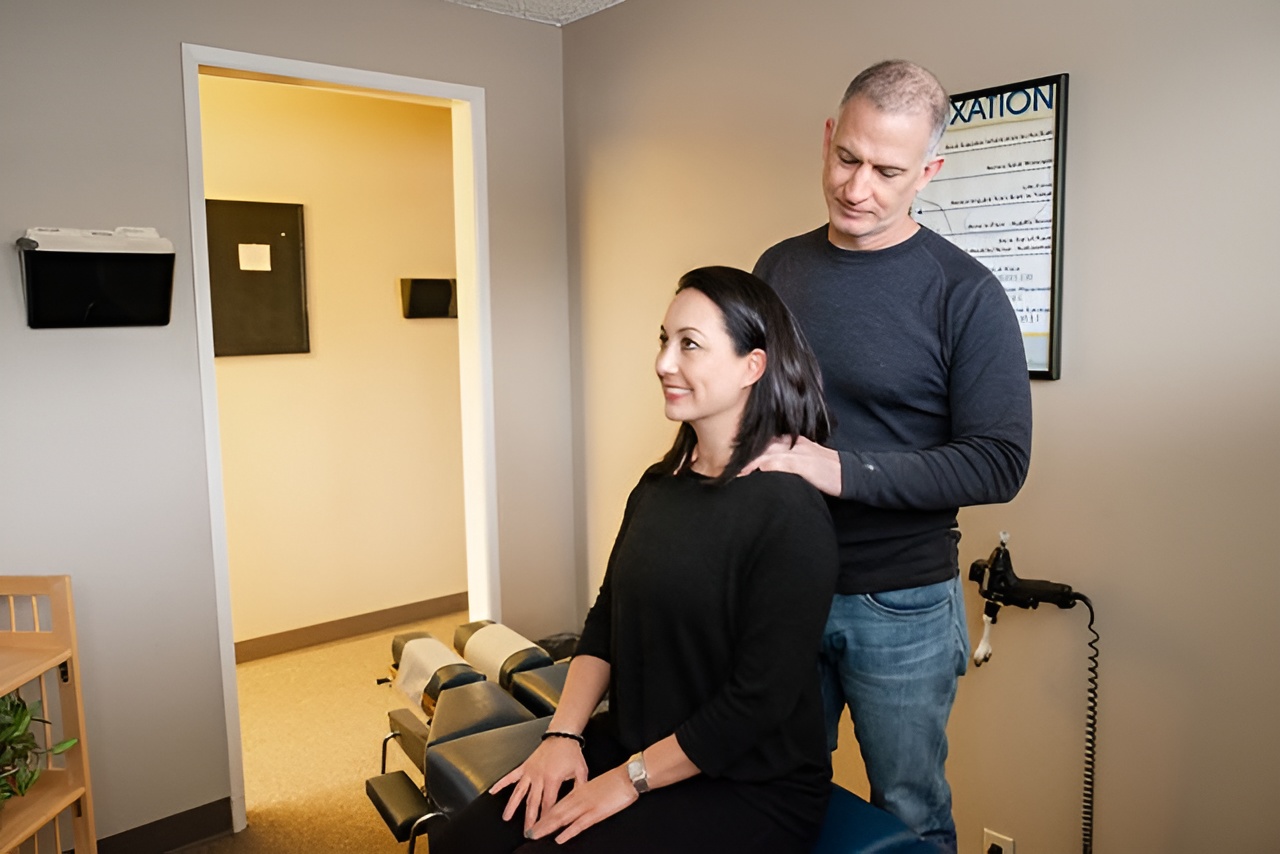
Back and Spine-Related Conditions
Many people seek chiropractic care for issues related to the spine, discs, and nerves. These conditions are often influenced by posture, activity demands, injury history, and overall movement patterns.
Lower Back Pain
Pain or stiffness in the lower back that may be influenced by movement, posture, injury history, or daily physical demands.
Sciatica
Symptoms that follow the path of the sciatic nerve, often felt as pain, tingling, or discomfort traveling from the lower back into the leg.
Osteoarthritis
Age-related or degenerative joint changes that may affect spinal mobility, comfort, and tolerance to everyday activities.
Neck and Upper Body Conditions
Neck, shoulder, arm, and hand symptoms are frequently associated with posture, repetitive use, work demands, or previous injuries. These issues can affect daily activities such as working at a computer, driving, or sleeping comfortably.
Neck Pain
Discomfort or stiffness in the neck that may be influenced by posture, repetitive activities, prior injury, or prolonged positions such as desk or driving work.
Carpal Tunnel
Symptoms affecting the hand or wrist, such as numbness, tingling, or weakness, often associated with repetitive use, wrist positioning, or nerve irritation.
Headaches
Headaches that may be influenced by neck tension, posture, or joint dysfunction in the upper spine, particularly when symptoms change with movement or sustained positions.
Not Sure Where Your Symptoms Fit?
If you are dealing with pain, stiffness, or recurring symptoms and are unsure which category applies to you, a brief conversation can often clarify the best starting point. We can help you determine whether your situation is better addressed through a condition-focused approach or an injury-based recovery pathway.
Call 360-923-5555 to speak with our office or request a consultation online to discuss your symptoms.
When Symptoms Begin After an Injury
For many people, pain does not develop gradually. It starts after something specific.
A car accident. A work-related incident. A sports injury. A sudden strain or impact.
When symptoms are tied to a particular event, care often looks different than it does for ongoing or posture-related conditions. Recovery may involve defined phases, functional milestones, and clear communication about progress.
If your symptoms began after a specific incident, one of the following recovery pathways may be a better fit:
Auto Accident Injuries
Care for symptoms that begin after a motor vehicle collision, even when pain develops days or weeks later. Auto-related injuries can involve complex movement patterns and recovery timelines, and care may include structured reassessment and clear communication about progress.
Sports Injuries
Care focused on injuries that occur during athletic activity, training, or recreational movement. This may include strains, joint irritation, or nerve-related symptoms where recovery depends on restoring movement, strength, and tolerance to activity.
Work Related Injuries
Support for injuries related to job demands, repetitive tasks, or on-the-job incidents. Care often considers functional limitations, gradual return to work, and coordination with required documentation or restrictions when applicable.
Ready to Get Back in Action?
If you are unsure where to start or would like to discuss your situation, our team is happy to help you determine the most appropriate next step.
Call 360-923-5555 or schedule a consultation to discuss your concerns.